


Identifying the Key Drivers and Defining Nigeria Telecom Market Trends
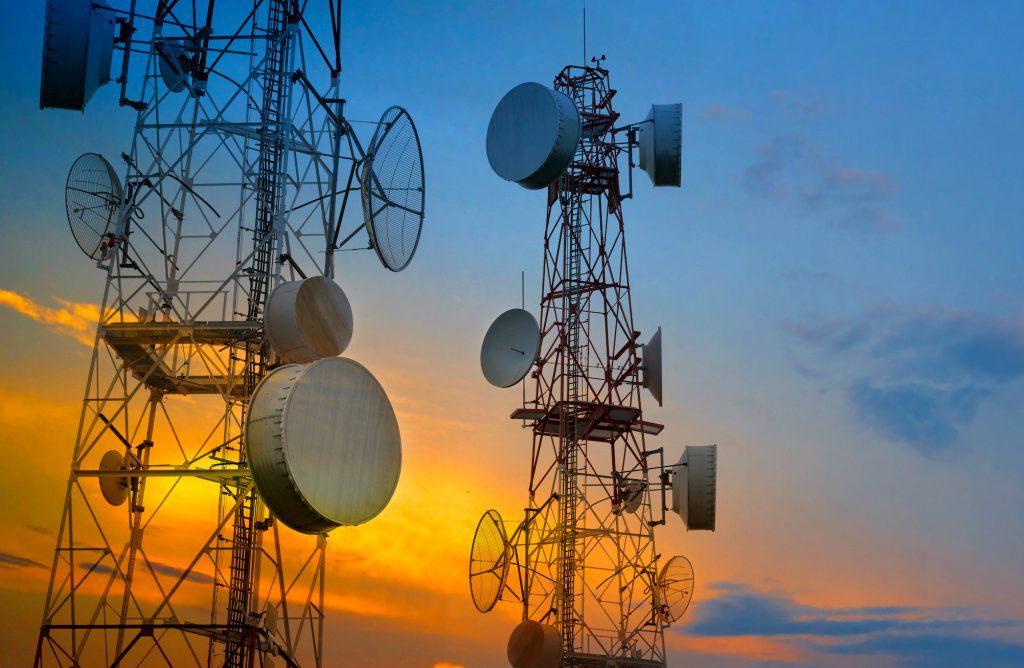
The Nigerian telecommunications landscape is being profoundly shaped by several powerful and interconnected Nigeria Telecom Market Trends. The most significant of these is the exponential growth in data consumption. This trend is the primary engine of the market's evolution, driven by increasing smartphone penetration, a youthful population that is highly active on social media, and the rising popularity of video streaming services like YouTube and Netflix. In response, operators are aggressively expanding their 4G networks and have begun the commercial rollout of 5G technology in major cities. The strategic focus has decisively shifted from selling voice minutes to selling gigabytes of data, with operators constantly innovating their data plans to cater to a wide spectrum of users, from casual browsers to heavy streamers.
A second major trend transforming the industry is the convergence of telecommunications and financial services. Having secured Payment Service Bank (PSB) licenses, major telcos like MTN and Airtel are now major players in the fintech space. They are leveraging their vast subscriber bases, extensive agent networks, and trusted brand names to offer a range of financial services, including mobile money transfers, savings accounts, and small loans, directly to their customers. This trend is a powerful driver of financial inclusion, bringing millions of unbanked Nigerians into the formal economy. For the telcos, it represents a crucial diversification of their revenue streams away from core connectivity services and into a high-growth, high-margin new business line.
The expansion of fiber optic infrastructure is another critical trend, particularly for improving broadband connectivity. While mobile data remains the primary means of internet access for most, there is a growing demand for high-speed, reliable fixed broadband, especially in urban households and businesses. In response, operators and specialized Internet Service Providers (ISPs) are accelerating the deployment of Fiber-to-the-Home (FTTH) and Fiber-to-the-Business (FTTB) networks. This trend is not only about providing faster internet to end-users; it is also essential for backhauling the massive amounts of data traffic generated by 4G and 5G mobile base stations, making fiber a foundational element for the entire next-generation telecom ecosystem.
Finally, there is a growing trend towards digital transformation and the provision of enterprise solutions. Beyond serving individual consumers, telecom operators are increasingly positioning themselves as strategic partners to businesses and government agencies. They are expanding their portfolios to include a suite of services designed for the enterprise market, such as dedicated internet access, cloud hosting services, data center solutions, cybersecurity, and Internet of Things (IoT) platforms. This shift allows businesses to leverage the telcos' robust infrastructure and technical expertise to accelerate their own digital transformation journeys. For the operators, the enterprise segment offers a valuable opportunity for higher-margin, long-term contracts, further diversifying their revenue base beyond the consumer market.
Top Trending Reports:

 English
 Arabic
 French
 Spanish
 Portuguese
 Deutsch
 Turkish
 Dutch
Dutch
 Italiano
 Romaian
 Portuguese (Brazil)
 Greek
Greek