


Projected Security Operations Center Market Value Reflecting Strong Investment Demand
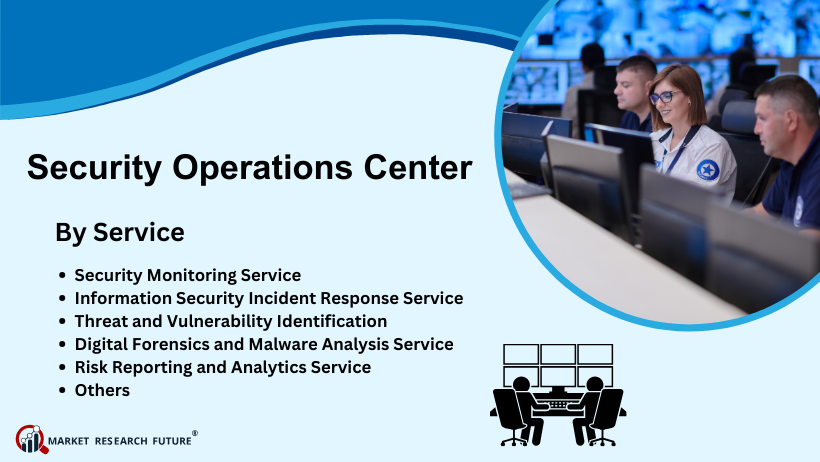
Financial analysts project substantial growth in the global SOC sector based on escalating cyber threats and expanding organizational security requirements. Security Operations Center Market Value assessments consider multiple factors including client spending trends, threat landscape evolution, regulatory developments, and technology advancement. Historical analysis demonstrates consistent market expansion despite economic fluctuations, indicating structural demand rather than temporary phenomena. Industry forecasts project accelerating growth rates as organizations prioritize cybersecurity investments following high-profile breach incidents. Investment activity including venture capital funding for security startups and acquisitions by established vendors reflects market confidence. Public market valuations of cybersecurity companies demonstrate investor enthusiasm for security sector growth prospects. Service revenue growth outpaces technology sales as organizations favor managed services over internal operations. Technology component sales including SIEM, EDR, and SOAR platforms contribute significant market value. Geographic expansion into emerging markets creates additional growth opportunities as these economies digitalize and face increasing threats.
Revenue segmentation analysis provides detailed understanding of value distribution across market dimensions. Service type breakdown shows relative contribution from managed detection and response, SOC-as-a-service, consulting, and technology platforms. Industry vertical analysis reveals spending concentration in financial services, government, healthcare, retail, and critical infrastructure sectors. Geographic distribution demonstrates market concentration in North America and Europe with rapid Asia-Pacific growth. Organization size segmentation shows enterprise spending dominance while mid-market demonstrates highest growth rates. Deployment model analysis indicates shift from on-premises toward cloud-based and hybrid approaches. Contract duration trends show movement toward longer-term strategic partnerships compared to shorter transactional engagements. Pricing model evolution demonstrates gradual shift from asset-based toward consumption and outcome-based models. Technology component revenue includes platforms, threat intelligence feeds, and integration tools. Understanding revenue composition helps vendors optimize portfolio strategies and helps buyers benchmark spending.
Total addressable market assessments evaluate expansion potential as SOC adoption penetrates underserved segments and geographies. Organization penetration analysis reveals significant opportunity among mid-market and small businesses currently lacking comprehensive security operations. Industry vertical expansion identifies sectors with lower current adoption presenting growth potential. Geographic expansion into developing regions with improving digital infrastructure increases addressable market. Service scope extension beyond monitoring into threat hunting, incident response, and security transformation expands per-customer revenue. Technology integration with broader security platforms and business systems increases SOC solution value. Adjacent market entry including vulnerability management, governance risk compliance, and security awareness training extends beyond traditional SOC boundaries. Consumption model innovation through flexible, scalable offerings attracts price-sensitive segments. These expansion vectors indicate substantial market growth potential supporting continued investment.
Investment considerations for market participants encompass growth prospects, competitive positioning, operational requirements, and risk factors. Organizations evaluating SOC investments should assess threat exposure, compliance requirements, internal capabilities, and budget constraints. Total cost of ownership includes technology licensing, service fees, internal personnel, and program management overhead. Return on investment calculations consider breach prevention value, compliance achievement, and operational efficiency improvements. Vendor evaluation examines security expertise, technology capabilities, service quality, and financial stability. Investors analyzing security companies review revenue growth, customer retention, technology differentiation, and market position. Market entry considerations include competitive intensity, required capabilities, capital requirements, and differentiation strategies. Technology investment decisions balance automation benefits against development costs and integration complexity. Geographic expansion planning weighs market potential against operational complexity and regulatory requirements. Careful analysis enables informed decisions regarding SOC market participation and resource allocation.
Top Trending Reports:

 English
 Arabic
 French
 Spanish
 Portuguese
 Deutsch
 Turkish
 Dutch
Dutch
 Italiano
 Romaian
 Portuguese (Brazil)
 Greek
Greek