


The Value of a Lifeline: Deconstructing the Massive Remittance Market Value
The economic scale of the industry that moves money from migrant workers back to their families is immense, representing one of the largest cross-border financial flows in the world. The global Remittance Market Value is a colossal figure, measured in the hundreds of billions of dollars annually. This valuation is the aggregate of all the personal, cross-border money transfers sent by migrants. However, the value of the market for remittance services is the total revenue generated by the companies that facilitate these transfers. This revenue is primarily derived from two sources: the direct transaction fees charged to the sender, and the "spread" or margin on the foreign currency exchange rate. The market's immense value is a direct reflection of the sheer volume of global migration and the fundamental human desire to support family members back home.
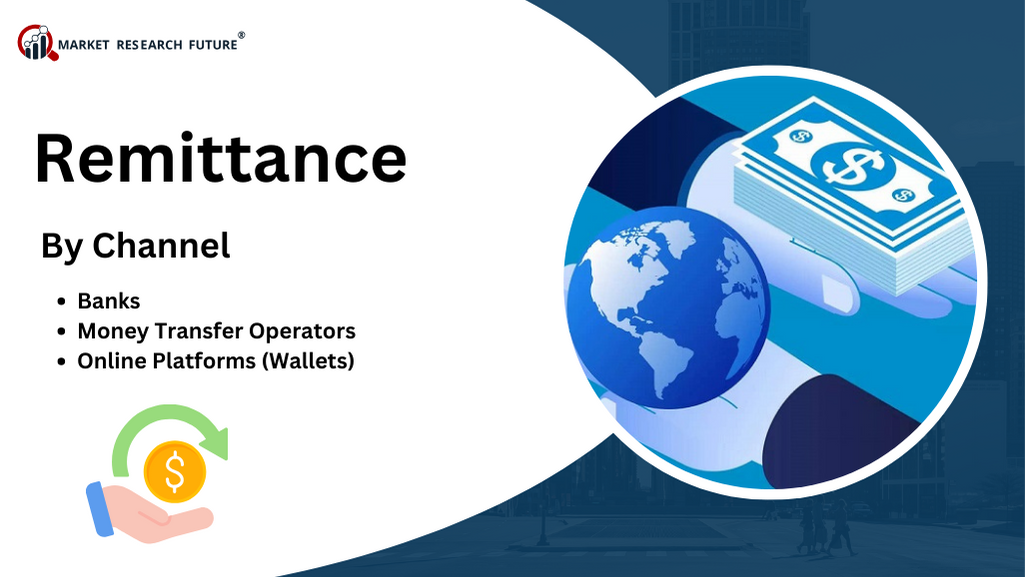
The sources that contribute to this market value are a mix of traditional and digital models. A huge, though declining, portion of the value is still captured by the traditional Money Transfer Operators (MTOs) like Western Union, MoneyGram, and Ria. Their revenue comes from the fees they charge for cash-to-cash transfers at their vast global network of physical agent locations. Banks also capture a share of the market value through the fees they charge for international wire transfers, though this is typically a more expensive and less common channel for smaller, personal remittances. The fastest-growing contributor to the market value, however, is the new generation of digital and mobile-first remittance providers. Companies like Wise, Remitly, and WorldRemit generate their revenue from the lower fees and transparent exchange rates they offer for online and app-based transfers.
The justification for this multi-billion dollar market is simple: it provides an essential service. For millions of migrant workers, a formal remittance provider is the only safe, legal, and reliable way to send money home. While the fees can be high, it is often seen as a necessary cost to ensure that the money reaches its destination securely. The value proposition of the new digital players is even stronger. They offer not just a lower cost, but also far greater convenience. A sender can initiate a transfer from their phone in minutes, without having to travel to a physical location and wait in line. The speed of the transfer is also a major value driver, with many digital services offering near-instant delivery to a mobile wallet or bank account, which can be critical in an emergency.
The immense market value and the high volume of transactions have made the remittance industry a key focus area for fintech innovation and investment. The space is a hotbed of venture capital activity, with investors funding a wide range of startups that are using new technologies to further reduce costs and improve the user experience. The potential to disrupt the massive, high-margin business of the traditional players is a huge motivator. This has led to intense price competition, particularly in the digital corridors, which is great for consumers as it is continuously driving down the cost of sending money home. The sheer scale and essential nature of the service ensure that the remittance market will remain a high-value and strategically important segment of the global financial services industry for years to come.
Other Exclusive Reports:
Event Stream Processing Market

 English
 Arabic
 French
 Spanish
 Portuguese
 Deutsch
 Turkish
 Italiano
 Russian
 Romaian
 Portuguese (Brazil)
 Greek
Greek